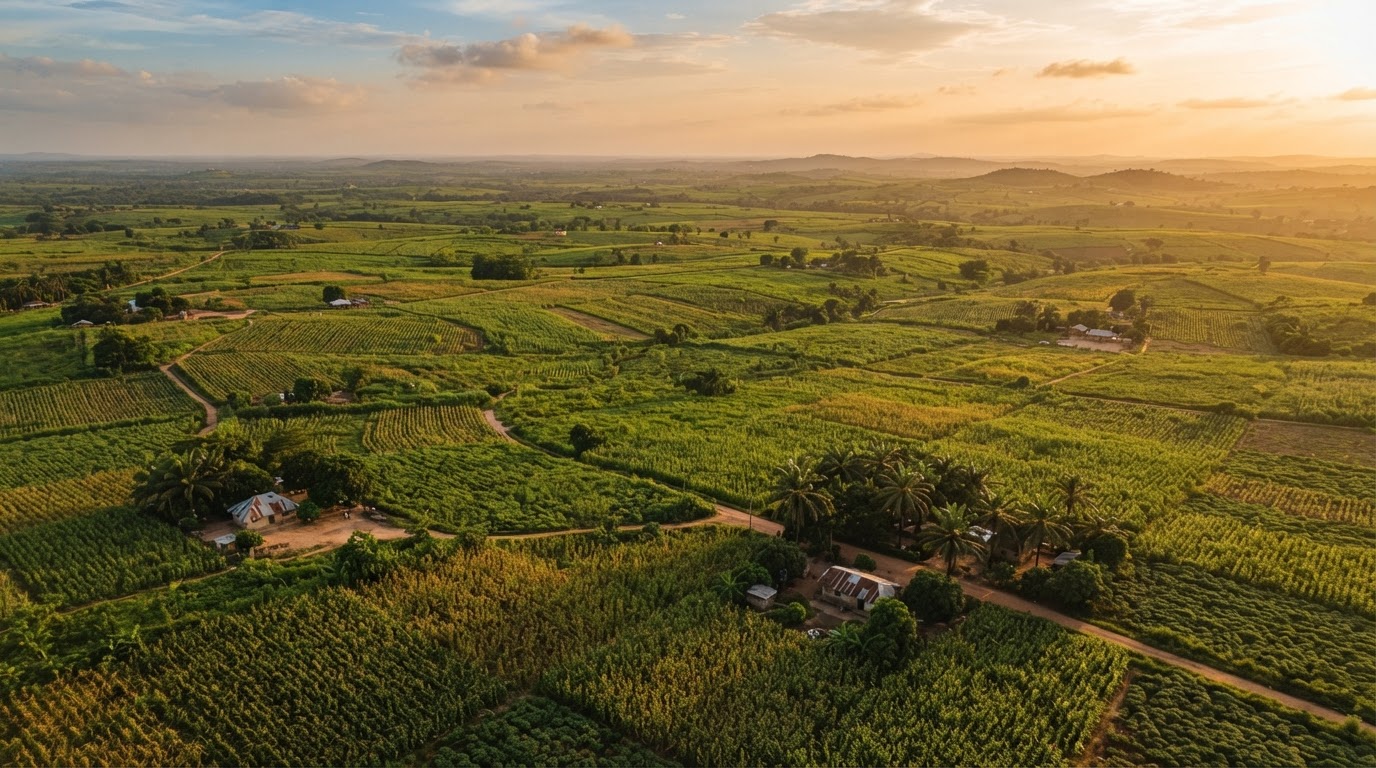
The land is still hiring.
Nobody told your generation.
Youth in Digital Extension is a plain-spoken starting point for young people who are curious about agriculture — what to grow, what it costs, and who actually pays for it.
of Africa's population is under 25 — and most of its farmers are over 50.
of land is enough to learn a full growing cycle from planting to sale.
is all a broiler cycle takes before you see money or mistakes.
Three honest steps before you buy anything
Most young people quit farming in the first season — usually because they started too big. This is the order that works.
Pick one crop or one animal
Not five. One. You learn faster when you can see the whole cycle from start to sale.
Spend a week with someone doing it
Ask a local farmer if you can help for free. A week on a real farm teaches more than a month of videos.
Write the numbers before you plant
Inputs, labour, transport, expected price. If it doesn't work on paper, it won't work in the field.
Pick a first project
Small, finishable and cheap enough that a bad season doesn't end your story.
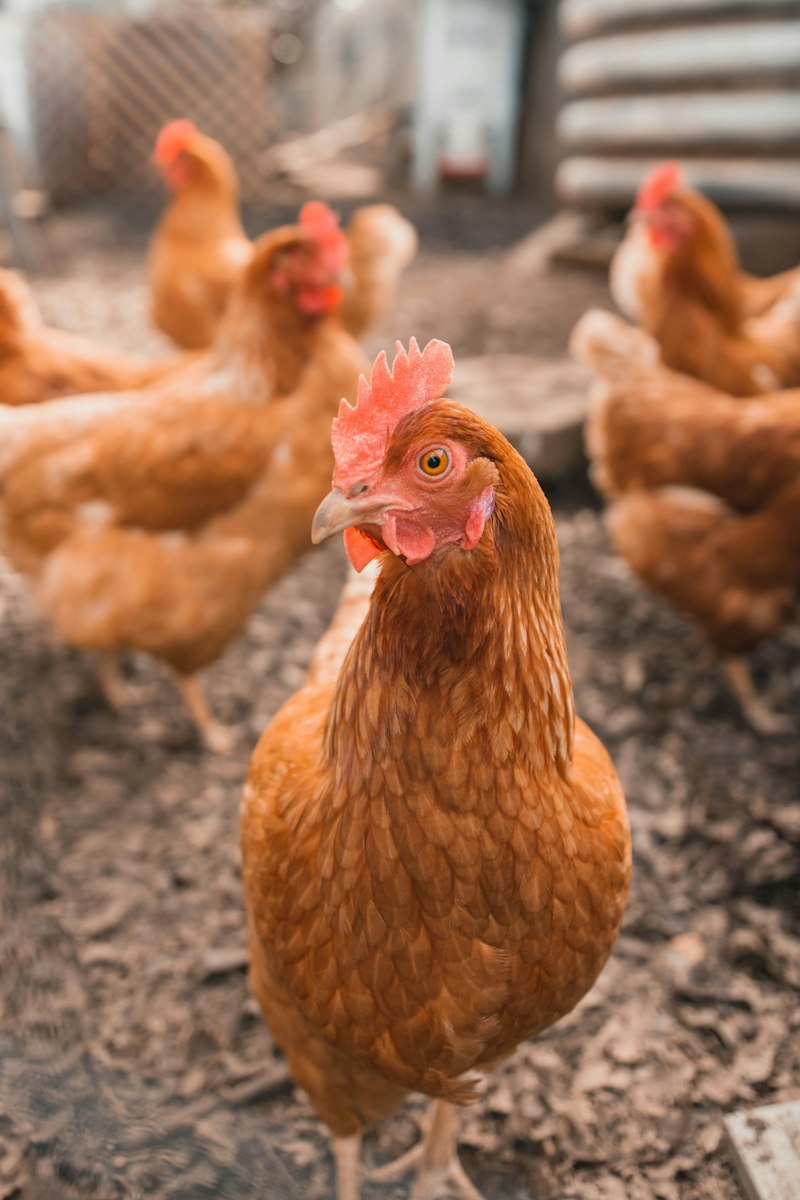 Start-up: Low
50 broilers in the backyard
Six weeks, one shaded pen, a feed schedule you can keep on your phone. This is how most young farmers we meet made their first profit.
- 6–8 weeks per cycle
- Space: 10–12 m²
- Skill: feeding & hygiene
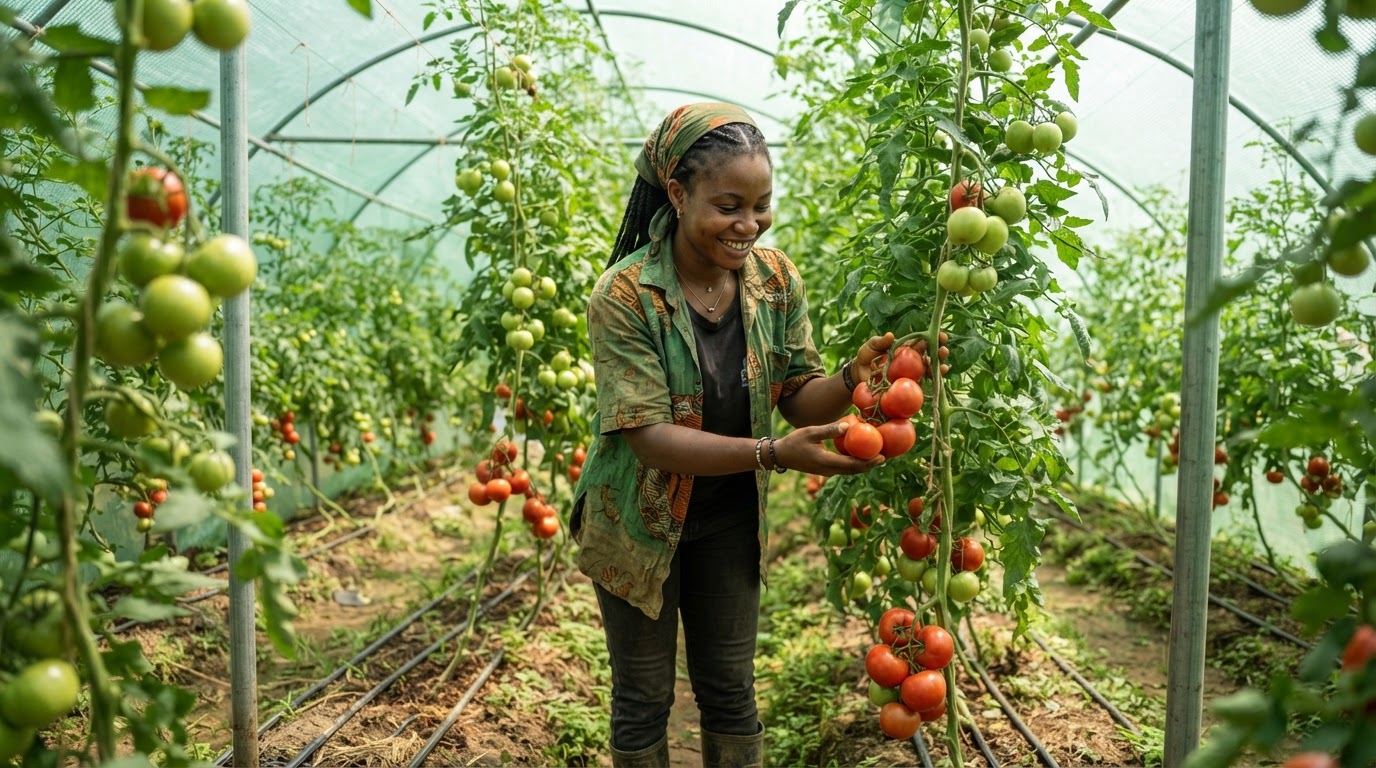 Start-up: Medium
Tomatoes under a polytunnel
Shelter beats the rain and the pests. Keep a simple notebook of transplant dates and you'll out-yield the open field next door.
- First harvest: ~75 days
- Drip saves ~40% water
- Skill: record keeping
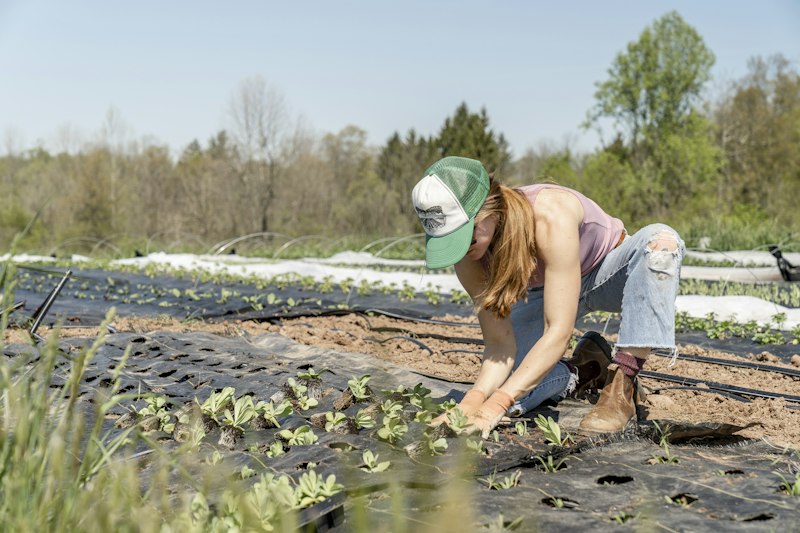 Start-up: Almost none
One bed of cassava or vegetables
Borrow a corner of family land. Learn the soil with your hands before you spend a naira on inputs. Nobody skips this part.
- Cost: seed + sweat
- Learn: soil & spacing
- Great for students
Clips from our campus agriculture seminar
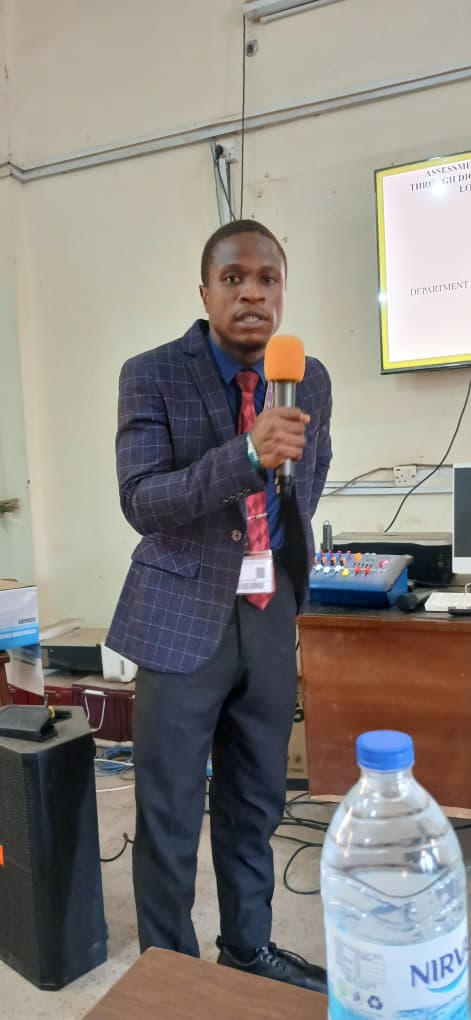
These are recordings from a departmental session on assessing agricultural knowledge among young people — students, lecturers and extension officers in one room, arguing about what actually keeps a young farmer in business.
Assessing Agricultural Knowledge Among Young People
Opening session addressing youth engagement, the gap between classroom theory and the farm gate, and real market realities facing emerging agropreneurs in Nigeria.
Why young people walk away
A short address on the gap between classroom agriculture and the farm gate.
What the extension officers see
A contribution from the floor on mentorship, land access and follow up.
"I started with a plot behind my hostel because I couldn't get a job after school. Two seasons later I was paying my own fees from pepper."
Chidera, 24 · Pepper & okra, Enugu
"Everyone told me farming is for old people. Then I sold my first 80 birds in one afternoon and my friends started asking me for advice."
Musa, 21 · Poultry, Kaduna
"The part nobody taught us was the market. Now I look for the buyer first, then I plant what that buyer needs."
Blessing, 26 · Vegetables, Ibadan
Find the buyer before you plant
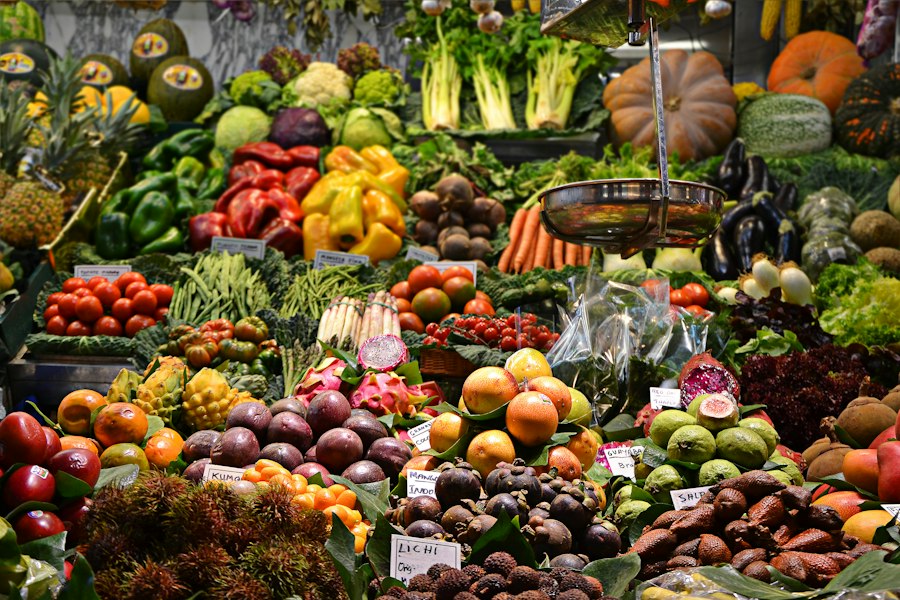
The farmers who last are the ones who know exactly who is paying, at what price, and on what day. Walk your local market for one morning and write down three things:
What sells out before noon — that's demand, not guesswork.
What the trader pays the farmer, not what the customer pays the trader.
Who complains about supply. That person is your first contract.
From land cultivation to post-harvest and sales
Seventeen practical enterprise guides created by Youth in Digital Extension at FUTA. Click maize, cassava, poultry, or any other crop to walk the full value chain.
Maize Production Business
From land preparation to grain sales — Nigeria's most versatile cereal.
Start the journeyCassava Production Business
Nigeria is the world's largest cassava producer — turn tubers into profit.
Start the journeyYam Production Business
Nigeria's premium tuber — high value, strong festive-season demand.
Start the journeyPepper Production Business
High-value vegetable with year-round urban demand — fresh and dried.
Start the journeyTomato Production Business
High demand, high perishability — manage the value chain to win.
Start the journeyPoultry — Broilers & Layers
Fast cash cycles (broilers) and steady daily income (layers).
Start the journeyRabbit Production Business
Low start-up capital, fast multiplication, rising urban demand.
Start the journeyPiggery (Pig Farming)
High prolificacy and fast growth — a rising Nigerian enterprise.
Start the journeyAquaculture (Fish Farming)
Catfish and tilapia — strong demand, fast turnover, year-round sales.
Start the journeyCocoa Production Business
Nigeria's flagship export tree crop — the brown gold of the forest belt.
Start the journeyOil Palm Production Business
Nigeria's edible-oil engine — a 25-year tree that pays every month.
Start the journeyPost-Harvest Processing
Where most Nigerian farm value is lost — or captured.
Start the journeyPackaging & Marketing
Turn good produce into a brand customers seek out and pay more for.
Start the journeyClimate-Smart Agriculture
Farm profitably while building resilience to a changing climate.
Start the journeyAgropreneur — Agriculture as a Business
Turn farming from a pastime into a profitable, professional business.
Start the journeyCredit & Financing Sources
Where Nigerian agropreneurs can access capital to start and grow.
Start the journeyDigital Tools & Smart Extension
Leverage mobile apps, satellite data, WhatsApp & digital marketplaces.
Start the journeyCooperatives & Contract Farming
Pool resources, buy inputs at bulk discounts & lock in guaranteed buyers.
Start the journeyTETFund Intervention
This digital extension resource is sponsored by the Tertiary Education Trust Fund (TETFund), supporting agricultural research, digital extension and youth empowerment in Nigerian tertiary institutions.
Youth in Digital Extension
Federal University of Technology, Akure
Dedicated to Nigerian agricultural extension & research
Our academic and extension specialists at the Federal University of Technology, Akure (FUTA) develop hands-on, field-tested guidance designed to help young agropreneurs thrive across Nigeria. Supported by TETFund, our research bridges the gap between campus lecture rooms, digital tools, and practical farm gate profitability.
Get the starter kit
A one-page plan, a cost sheet you can fill in with a biro, and a list of questions to ask the farmer nearest to you. Free, and written in plain language.
No spam. One email when there's something worth reading.